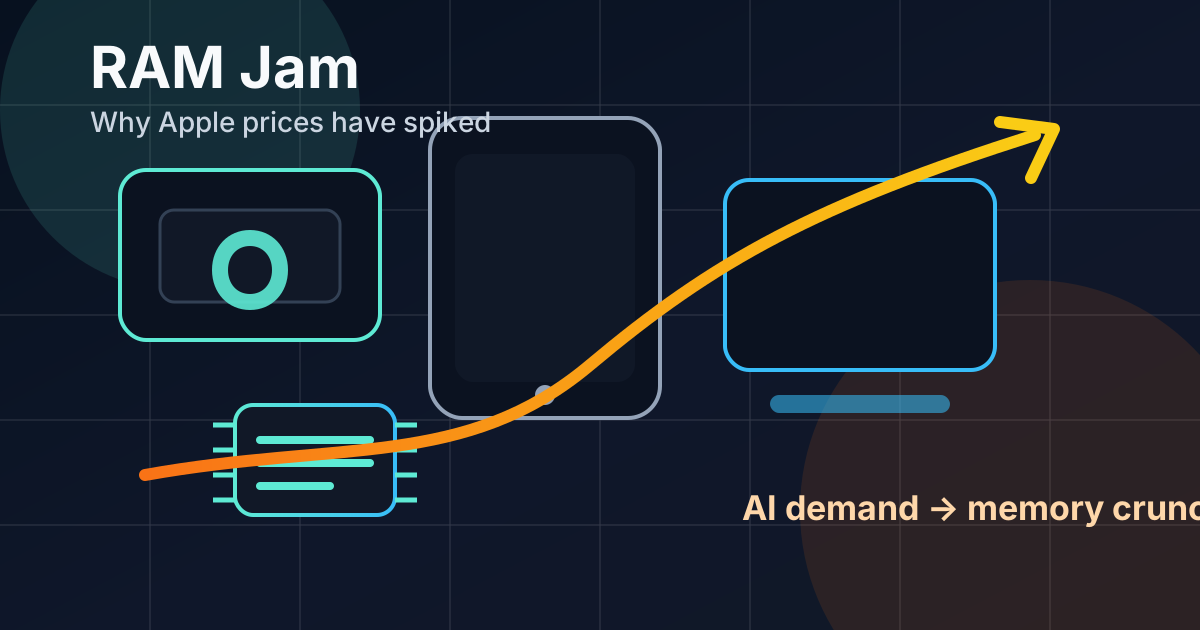
Apple prices have jumped because the boring parts of a device have suddenly become strategic. DRAM and NAND flash are not as glamorous as a new processor or a brighter screen, but they decide how much memory a Mac has, how much storage an iPad ships with, and how expensive it is to build the next wave of consumer electronics.
The RTE Business piece frames the problem neatly: Apple is not alone. Memory prices have been climbing across the industry, and many recent tech price increases have landed in the 15–20% range. When a company with Apple’s purchasing power has to move prices, it tells you the squeeze is no longer a niche component issue.
The short version: AI is eating the memory market
The main pressure is the AI buildout. Data centres need huge quantities of fast memory for training and running large models. That includes high-bandwidth memory for AI accelerators, but the wider rush also affects DRAM and NAND supply because manufacturers have to decide where limited capacity goes.
When cloud giants, AI labs and hardware vendors are willing to pay premium prices for memory-heavy infrastructure, consumer device makers face a harder market. Apple can negotiate better than almost anyone, but it cannot magic up unlimited chip capacity.
Why Macs and iPads feel exposed
Apple’s computers and tablets are especially sensitive to memory costs because the company sells highly integrated devices. You do not buy a MacBook and add cheap RAM later. The memory and storage are part of the purchase decision on day one, and higher component costs flow directly into each configuration.
That matters because modern software is not getting lighter. More local AI features, larger creative apps, higher-resolution media workflows and heavier browser usage all push devices towards more RAM and storage, not less. Apple can trim margins for a while, but at some point the base price, upgrade price, or both, must absorb the change.
Why this is bigger than Apple
The same forces hit laptops, phones, consoles, handheld gaming PCs and storage-heavy accessories. Apple gets the headline because its prices are visible and its margins are famous, but the market pressure is shared by any company that needs memory chips at scale.
This also explains why price rises can arrive unevenly. Some products may be protected by older supply deals. Others may launch at a higher price rather than receive an obvious mid-cycle bump. In both cases, the customer sees the same thing: technology that used to get cheaper over time suddenly holds its price or becomes more expensive.
Could Apple just absorb the cost?
Partly, yes. Apple has the cash, scale and margins to cushion shocks better than most companies. But absorbing every component increase would train investors to expect lower profitability at exactly the moment the whole hardware industry is dealing with uncertain supply.
There is also a signalling problem. If Apple quietly eats the cost, it may protect short-term demand but weaken pricing discipline. If it raises prices, it protects margins but risks making upgrades feel less affordable. Apple appears to be choosing the second option because memory inflation looks persistent rather than temporary.
Will prices come back down?
Memory markets are cyclical, so supply should eventually respond. Manufacturers can expand capacity, rebalance production and chase the profits created by high prices. The catch is timing. Semiconductor capacity takes time, and AI demand is not standing still while factories catch up.
Even if memory prices ease later, consumer prices may not fully reverse. Tech companies rarely rush to cut headline prices once buyers have accepted a new tier. Instead, they tend to improve specifications, offer seasonal discounts, or make older models feel like the value option.
What buyers should do
If you need a device now, buy based on total usable lifespan rather than the cheapest entry model. Memory pressure makes under-speccing more expensive because upgrades are difficult or impossible later. A machine with enough RAM and storage for four or five years may be better value than one that feels constrained after two.
If you can wait, watch for sales and refurbished stock. Retailers may use discounts to soften the new price reality, and Apple’s refurbished channel can become more attractive when new-device prices rise.
The bigger takeaway
The Apple price spike is a consumer-facing symptom of an infrastructure race. AI is not just changing software products; it is changing the cost base of hardware. The same memory that makes data centres useful is also needed in the devices people use every day.
That is why this story matters. It connects the abstract excitement around AI with a very practical outcome: laptops, tablets and other gadgets costing more. Apple is the most visible example, but the underlying issue belongs to the entire tech supply chain.